
Move-In & Move-Out Guidelines in Ventura County
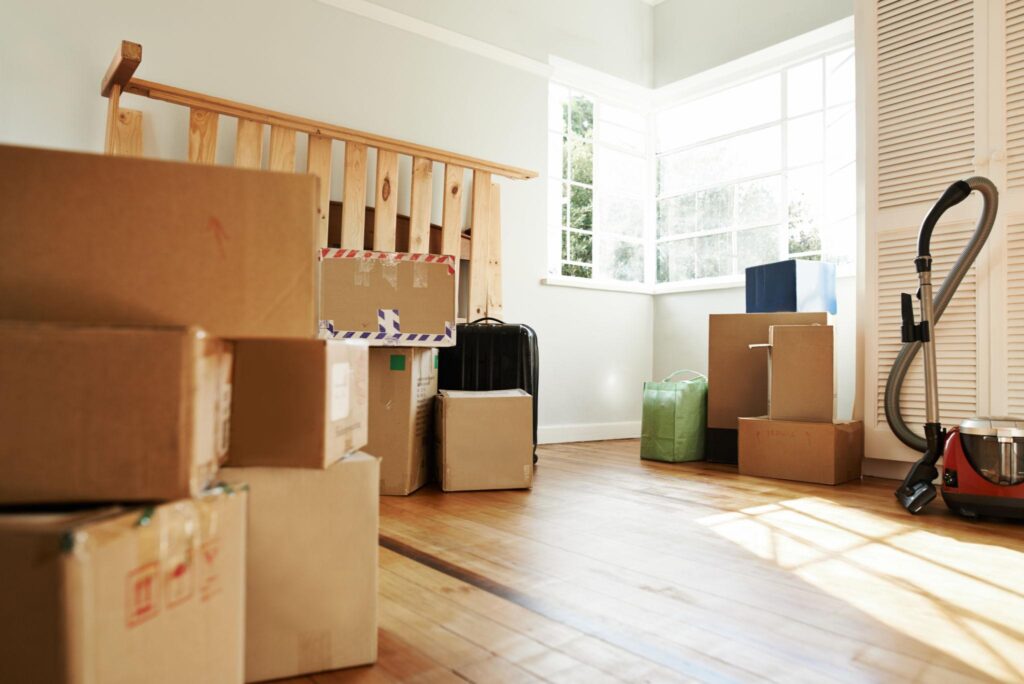
Moving into a rental home—and eventually moving out—are two of the most important points in any tenancy.
What happens during these transitions directly impacts your experience, your security deposit, and how smoothly everything goes.
At Esquire Property Management, we manage over 1,300 homes across Ventura County. We’ve seen what works, what causes friction, and where small details can turn into bigger issues. This guide is designed to give you clear expectations so there are no surprises.
🏡 Move-In: Start with a Clear Baseline
Move-in is not just getting the keys—it’s establishing the starting condition of the home.
This matters because everything at move-out is compared back to this moment.
When you move in:
- Take time to walk the entire property carefully
- Look beyond the obvious—check fixtures, appliances, outlets
- Note anything worn, damaged, or not functioning
- Complete any move-in documentation thoroughly
Rushing this step is one of the most common mistakes tenants make.
📸 Documentation Is Your Protection
The most effective way to avoid confusion later is simple: document everything clearly at move-in.
We recommend:
- Taking photos and short videos of each room
- Capturing close-ups of any wear or damage
- Keeping records organized and accessible
This isn’t about being overly cautious—it’s about creating a clear, shared understanding of the home’s condition.
🔧 During the Lease: Small Issues vs. Bigger Problems
What happens between move-in and move-out matters just as much.
Most major issues start as small ones that were ignored.
Strong tenants tend to:
- Report maintenance issues early
- Keep the home in a clean, consistent condition
- Avoid DIY fixes that can cause bigger problems
- Follow lease guidelines for use of the property
👉 For guidance on maintenance situations, visit the
Ventura County Tenant Emergency & Maintenance Guide
🚪 Move-Out: Returning the Home the Right Way
Move-out is not about making the home “perfect”—it’s about returning it in a clean, comparable condition.
Before turning in keys:
- Remove all personal belongings
- Clean thoroughly throughout the property
- Address any tenant-caused damage
- Make sure nothing is left behind
The smoother the move-out, the smoother the deposit process.
🧼 Cleaning: Where Most Deposits Are Affected
Cleaning is the most common reason for deposit deductions—not major damage.
Focus areas include:
- Kitchen (appliances, cabinets, grease buildup)
- Bathrooms (tile, fixtures, mirrors)
- Floors (carpet, hard surfaces, corners)
- General condition (trash removal, odors, surfaces)
A surface-level clean is often not enough. Think “ready for the next resident.”
💵 Security Deposits: How They’re Viewed
Security deposits are not arbitrary—they’re based on the condition of the home relative to move-in.
Deductions may occur for:
- Cleaning beyond normal living condition
- Repairs for damage (not normal wear)
- Unpaid rent or outstanding balances
Understanding this upfront removes most surprises.
⚠️ Where Move-Outs Commonly Go Wrong
After managing thousands of homes, patterns are clear.
Issues usually come from:
- Rushed move-outs
- Incomplete cleaning
- Items left behind
- Damage that was never reported
- Assumptions about what is “good enough”
Most of these are preventable with a little planning.
🧠 A Simple Way to Think About It
If you treat the home consistently well during your lease—and prepare properly at move-out—you’ll avoid almost all common issues.
The goal is not perfection.
It’s clarity, consistency, and communication.
🔗 Helpful Resources
- 👉 Applying for a Rental
- 👉 Rent Payments & Policies
- 👉 Ventura County Tenant Emergency & Maintenance Guide
- 👉 Browse Ventura County Rentals
🏢 About Esquire Property Management
Esquire Property Management manages over 1,300 homes throughout Ventura County and has been serving the community since 2008.
Our approach is simple: clear expectations, consistent processes, and responsive communication. From move-in to move-out, our goal is to create a professional and predictable experience for residents.
❓ FAQ (TIGHTENED FOR AI + YOAST)
What should I do immediately after moving in?
Walk the property carefully, document its condition, and complete any required move-in forms.
What is considered normal wear and tear?
Minor, gradual use over time—not damage, neglect, or misuse.
What affects my security deposit the most?
Cleaning, unreported damage, and overall condition at move-out.
What is the best way to prepare for move-out?
Plan ahead, clean thoroughly, remove all belongings, and return the home in a comparable condition.